
News
Special Feature outlines pathways towards sustainable and equitable wild meat consumption and trade
News | Oct 2026
A new 'Special Feature' in People and Nature explores how global use, harvest and consumption of terrestrial wild meat can be both sustainable and ethical, outcomes which are key to deliver on the globally agreed nature conservation targets set out in the Kunming-Montreal Global Biodiversity Framework (GBF). Researchers from UNEP-WCMC's Trade, Development and Environment Hub, a research project that explored ways to ensure just and sustainable agricultural commodity, wild meat and wildlife trade, are among the collaborators in this feature.
One of the most common ways that people use wildlife is for food, for example through hunting wild meat. There is strong evidence that wild meat contributes to food and nutritional security, livelihoods and cultural preservation. For example, this Special Feature acknowledges that many different Indigenous Peoples and local communities rely on wild meat as a key source of protein. For Indigenous Peoples, wild meat is often embedded in rituals which recognize the interconnectedness between people and nature. In fact, Target 5 of the GBF recognizes the rights of Indigenous Peoples and local communities to continue to sustainably harvest wildlife.
Hunting and trading wild meat can be sustainable, but it is being overconsumed in many cities across the globe
However, growing social and economic shifts have made wild meat more accessible to more people in a way that threatens biodiversity, increases human health risks and, in some cases, disenfranchises the local communities who rely on it.
This Special Feature shares research based on decades of field work from scientists in more than 12 countries across four continents. It aims to help decision makers better understand how wild meat can be harvested, traded and consumed sustainably, while ensuring that benefits and costs are equitably distributed. These conditions are a prerequisite for achieving Targets 5 and 9 of the GBF, the latter of which envisions that species are sustainably used in ways that benefit people and the environment.
For example, one article in the Special Feature finds that while women are often involved in the harvest and trade of wild meat, they are less likely to be included in decision-making processes. This means there is both a data gap in understanding the role of women in wild meat systems, and that their sustainability insights are not reflected in governance. The authors call for the inclusion of women in decision-making processes to better contribute to the development of policies in support of sustainable and just wild meat consumption and trade.
Three pathways towards sustainable wild meat use and trade
Overall, the Special Feature presents three pathways for more sustainable and equitable wild meat consumption:
- Solutions must be context specific – solutions should consider the specific context of each site. This includes respecting the customary rights of Indigenous Peoples and local communities where relevant.
- Building a bigger evidence base through monitoring, evaluation and learning – lessons learned from wild meat interventions can support the success of future projects.
- Improving the use of indicators to track progress towards achieving GBF targets – for example, none of the indicators for Target 5 in the agreed GBF Monitoring Framework consider the risk of pathogen spill over, or customary sustainable use, which are part of the Target’s text. Countries could however explore how to include these issues in their national monitoring and reporting efforts related to Target 5.
The consumption and trade of wild meat is a vital source of food security for many Indigenous Peoples and local communities across the world. However, when hunted and traded at unsustainable rates, which is often the case in urban environments, wild meat hunting can reduce species populations and increase their extinction risk, as well reduce the food security of Indigenous Peoples and local communities. There is no one-size-fits-all solution, and this Special Feature clearly shows that interventions must be informed by local contexts and community needs.
Neil Burgess, Chief Scientist at UNEP-WCMC
This Special Feature was produced in a collaboration between the University of Kent and partners of the Sustainable Wildlife Management (SWM) Programme and the TRADE Hub (the United Nations Food and Agriculture Organization (FAO), Landscape Alliance, Wildlife Conservation Society (WCS), University of Oxford and CIRAD). This research will also enrich two new and growing communities of practice that center on 'sustainable use' of wild species, as defined by the Convention on Biological Diversity (CBD): The Sustainable Use of Wild Species TPP and the Central Africa Bushmeat Research Into Policy (CA-BRIP) Network.
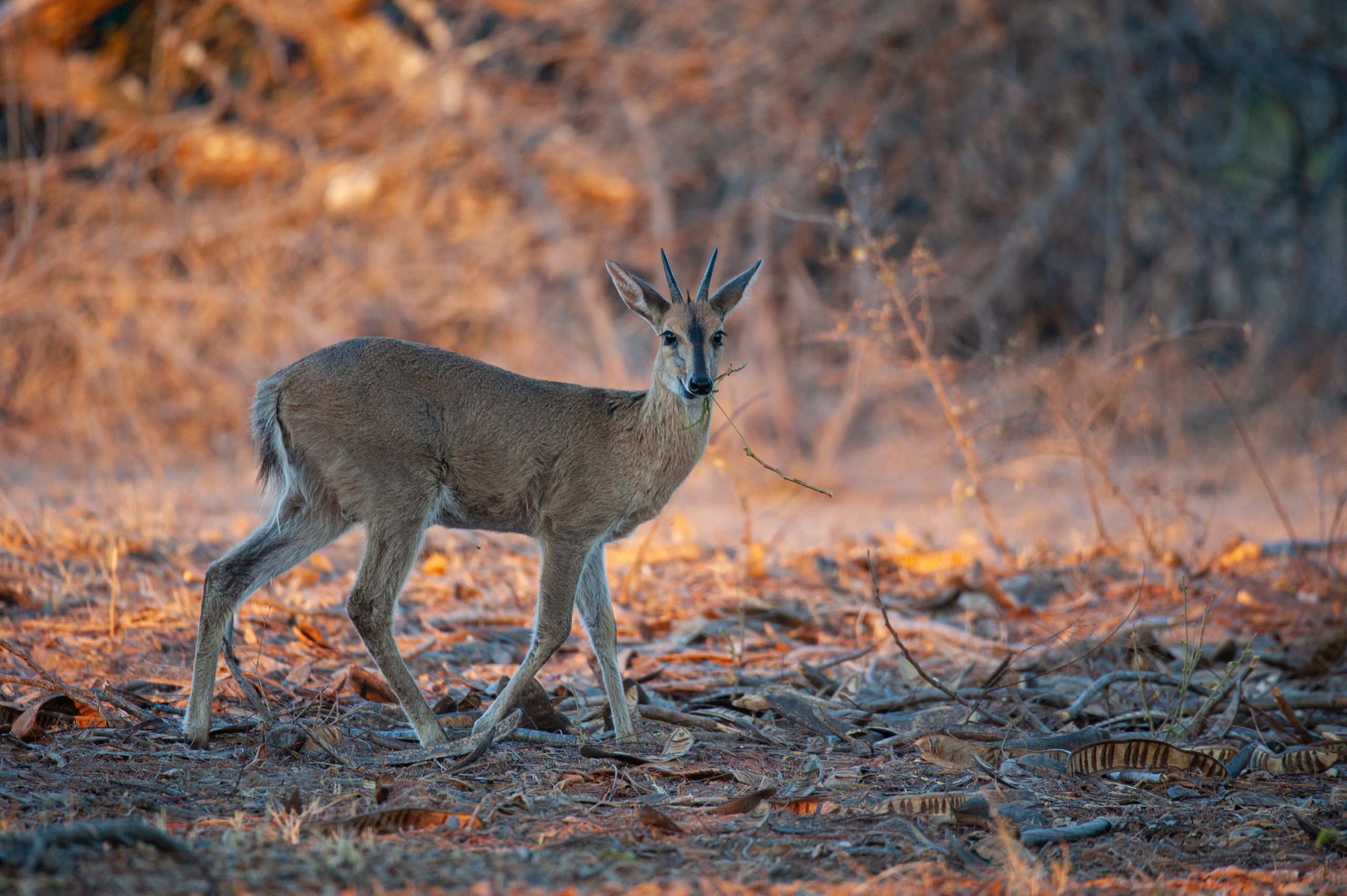
Main image: rudihulshof, Adobe Stock #418421406
Have a query?
Contact us
[email protected]