
News
The true scale of species in the global wildlife trade is at least twice previous official estimates
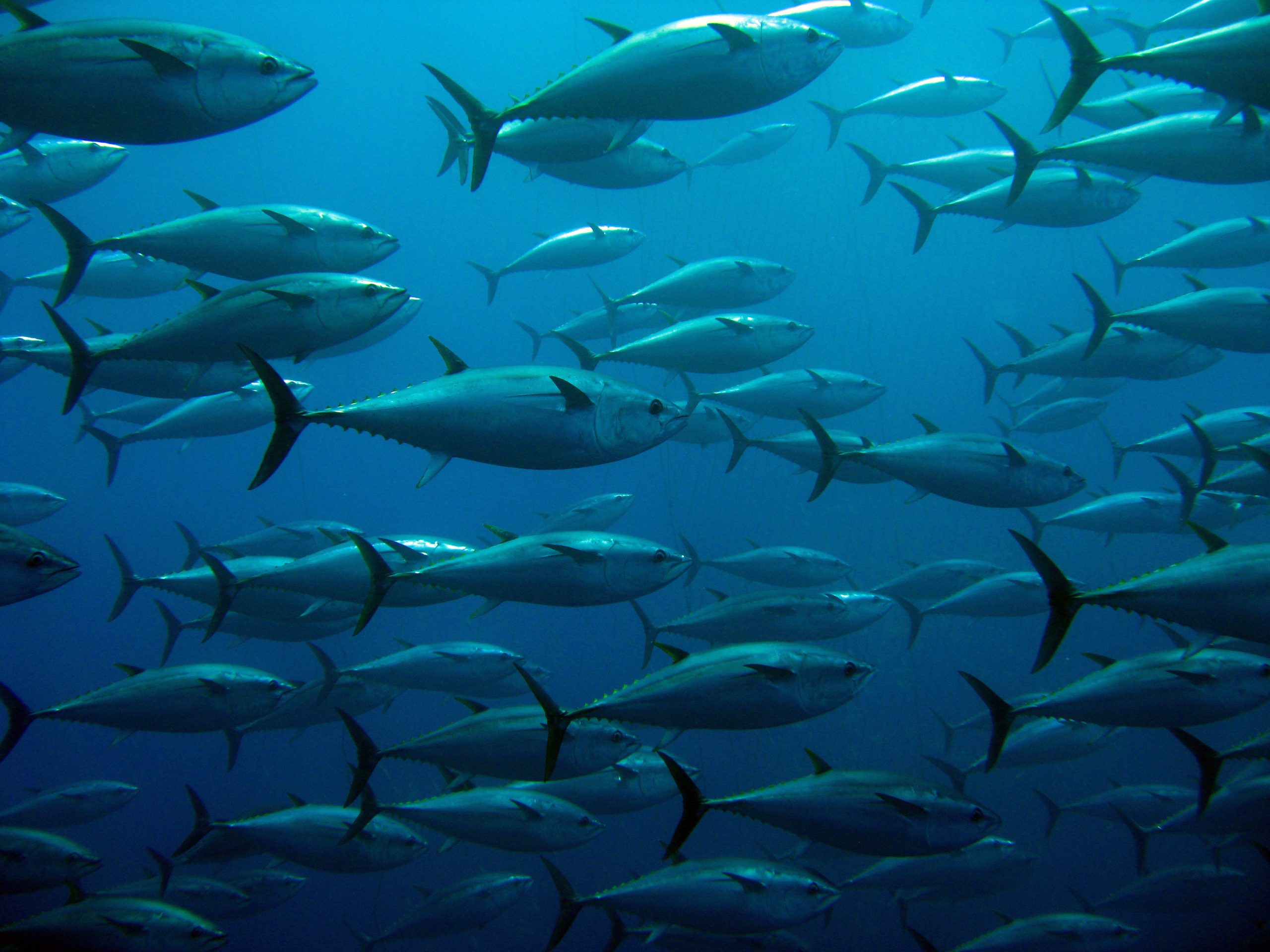
News | Nov 2026
Unsustainable wildlife trade is recognized as one of the greatest threats to species survival. Yet major data gaps have obscured the true number of species in trade, making it impossible to accurately pinpoint where trade is unsustainable.
The most recent estimate from the Intergovernmental Science-Policy Platform on Biodiversity and Ecosystem Services (IPBES) sustainable use assessment is that around 50,000 species are in use and trade. However, this figure has been called into question by analyses of specific groups, which show much higher numbers; for example, estimates for butterflies alone outnumber IPBES' figures for the total number of invertebrates in trade, pointing to the existence of large data gaps.
The number of species currently in trade is at least double the previous estimate
In a paper published in the journal Science Advances, we provide the first comprehensive estimate of species in trade and use across all taxa. Three of UNEP-WCMC's biodiversity experts contributed to this analysis, which shows that the number of species currently in trade is at least double the previous estimate, at 107,356 species used and traded globally. This includes up to 47,685 animal species, comprising 42% of all described vertebrate species.
Calculating this figure has been challenging. Outside major conventions such as the Convention on International Trade in Endangered Species of Wild Fauna and Flora (CITES) (the main international treaty aiming to protect endangered species from unsustainable international trade), and specific sectors such as fisheries (who monitor trade to ensure fish stocks are maintained), data are collected in different ways by a variety of different actors and stored sporadically. For example, over 27% of animal species were only recorded in data specific to trade into the United States of America, with equivalent data sets lacking for other countries. Even the estimate of 107,356 traded species could therefore be conservative, highlighting the importance of continued efforts towards improving the availability of comparable data.
Data gaps must be addressed in order to meet global biodiversity targets
Sustainable use represents a fundamental component of the Kunming-Montreal Global Biodiversity Framework – obtaining good data on what is in trade, as well as the quantities, sources (wild or captive-bred) and origins, is critical to make any assessment on its sustainability. Without clear action from countries, overexploitation from trade will continue to represent one of the greatest, and most neglected, threats to species' survival. We cannot make progress on targets related to reducing unsustainable wildlife trade without collective action towards closing these data gaps.
Target 5 of the Kunming-Montreal Global Biodiversity Framework aims to ensure that the use and trade of wild species across the world is maintained at sustainable levels. Meeting this target requires countries to have access to accurate data on the number and types of species in trade. Our results indicate that there are more than double the number of species in trade compared with available estimates. A more systematic approach to data collection and use is required to close the reporting and implementation gap.
Neil Burgess, Chief Scientist at UNEP-WCMC
Main image: Guido, Adobe Stock #115642189
Have a query?
Contact us
[email protected]